



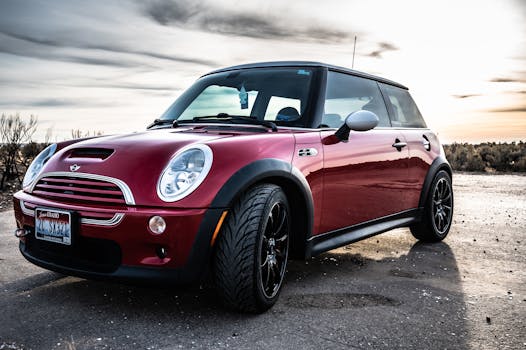

Ever looked at your car and thought, “It’s good, but it could be great“? You’re not alone! For many of us, the wheels are the unsung heroes of our vehicle’s aesthetics and, surprisingly, its performance. They’re the direct link between your ride and the road, and upgrading them can be one of the most impactful changes you make. So, if you’re wondering how to upgrade your car’s wheels, stick around. We’re going to break down what you need to know to make a smart, stylish, and functional choice.
Why Bother with a Wheel Upgrade? It’s More Than Just Looks
Let’s be honest, a fresh set of wheels can dramatically change your car’s personality. That sleek, modern design or aggressive stance? It all starts with what’s under the fenders. But it’s not just about turning heads, though that’s a fantastic perk! New wheels can also offer tangible benefits:
Weight Reduction: Lighter wheels mean less unsprung weight. This can lead to improved acceleration, braking, and a more responsive suspension. Think of it like taking off a heavy backpack – suddenly, everything feels easier.
Improved Handling: Depending on the design and fitment, new wheels can allow for wider tires, increasing your car’s contact patch with the road. This translates to better grip, especially around corners.
Enhanced Cooling: Some aftermarket wheels are designed with open spoke patterns that can help direct more air to your brakes, aiding in cooling and preventing brake fade during spirited driving.
Personalization: This is the big one for most people. You get to express your style and make your car uniquely yours.
The Crucial First Step: What Do You Actually Want?
Before you dive headfirst into browsing endless online catalogs, take a moment to ponder your goals. Are you aiming for a subtle, sophisticated upgrade, or are you going for a bold, performance-oriented transformation? This will guide your decisions immensely.
#### Defining Your Aesthetic Vision
This is where the fun begins! Consider:
Style: Do you prefer a classic multi-spoke look, a modern minimalist design, or something more aggressive like a mesh or deep-dish wheel?
Color: Black, silver, gunmetal, bronze, or even a pop of color? Think about how the wheel color will complement your car’s paintwork.
Finish: Matte, gloss, polished, or brushed? Each finish offers a different vibe and requires varying maintenance.
#### Performance vs. Purely Cosmetic
Be honest with yourself here. If you’re a weekend warrior who loves carving corners, you’ll prioritize lightweight alloys and potentially wider wheels for better tire fitment. If your car is primarily for commuting and you want it to look sharp, you might lean more towards design and finish. Finding that sweet spot is key to a successful upgrade.
Navigating the Technicalities: Fitment is King
This is where things can get a little tricky, but it’s absolutely critical. Getting the fitment wrong can lead to a host of problems, from rubbing fenders to compromised handling. Understanding these terms will make you a savvier shopper:
#### Key Wheel Specifications to Know
Bolt Pattern (PCD – Pitch Circle Diameter): This refers to the number of lug holes and the diameter of the circle they form. Your new wheels must match your car’s bolt pattern. Mismatched patterns are a no-go.
Offset: This is the distance from the wheel’s mounting surface to the centerline of the wheel.
Low Offset (ET): Pushes the wheel further out from the car’s hub.
High Offset (ET): Pulls the wheel further in.
The correct offset is crucial for ensuring the wheel sits flush with the fender without rubbing, especially during suspension travel.
Center Bore: The hole in the middle of the wheel that sits on the car’s hub. If the center bore of the new wheel is larger than your car’s hub, you’ll need hub-centric rings to ensure a snug, vibration-free fit.
Wheel Diameter and Width: Increasing diameter or width can look great and improve handling, but you need to ensure there’s enough clearance for the brakes, suspension components, and fenders.
#### The Tire-Wheel Synergy
Remember, wheels and tires are a package deal. When you upgrade your wheels, you’ll likely be choosing new tires too. Ensure your tire size is compatible with the new wheel width and diameter. A common goal is to fit wider tires for better grip, but this needs to be balanced with potential speedometer inaccuracies and clearance issues. This is where consulting with a tire and wheel professional is invaluable. They can help you understand how to upgrade your car’s wheels while maintaining optimal tire fitment.
Material Matters: Cast vs. Forged Wheels
When exploring your options, you’ll encounter two primary manufacturing methods:
#### Cast Wheels: The Everyday Choice
Most aftermarket wheels are gravity cast or low-pressure cast.
Pros: More affordable, wide variety of designs available, suitable for most daily driving needs.
Cons: Generally heavier than forged wheels, can be more susceptible to damage from severe impacts.
#### Forged Wheels: The Performance Pinnacle
Forged wheels are created by hammering or pressing a solid block of aluminum.
Pros: Significantly lighter and stronger than cast wheels, leading to superior performance benefits (acceleration, braking, handling), more resistant to bending or cracking.
Cons: Considerably more expensive, fewer design options typically available.
If you’re serious about performance and have the budget, forged wheels are the way to go. For most people, a high-quality cast wheel will more than suffice.
Don’t Forget the Finishing Touches!
Once you’ve selected your dream wheels and tires, there are a few more things to consider:
#### Lug Nuts and Locks
Lug Nuts: Ensure you get the correct type (tapered, ball, or mag seat) and thread pitch for your new wheels. Often, new wheels require new lug nuts.
Wheel Locks: A small investment to protect your expensive new wheels from theft. They’re a must-have!
#### Tire Pressure Monitoring System (TPMS)
If your car has TPMS sensors, you’ll need to transfer them to your new wheels or purchase new ones. Most shops can handle this during the installation process.
#### Professional Installation
While it might be tempting to DIY, especially if you’re mechanically inclined, professional installation is highly recommended. A reputable shop will ensure proper torqueing of lug nuts, correct balancing, and check for any clearance issues. This peace of mind is worth the cost.
Wrapping Up: Your Car’s New Look and Feel Awaits
Upgrading your car’s wheels is a journey, not just a transaction. It’s about understanding your needs, exploring your options, and making informed decisions. By considering aesthetics, performance, and the crucial technicalities of fitment, you can confidently embark on this exciting upgrade. Whether you’re aiming for a subtle refinement or a dramatic transformation, new wheels are your ticket to a car that not only looks fantastic but also feels more connected to the road. So, go ahead, give your ride the wheels it deserves!