




You’ve seen the shiny paint, heard the engine purr, and envisioned yourself cruising down the highway. The allure of a pre-owned vehicle is undeniable – significant savings and often proven reliability. But before that handshake seals the deal, a crucial step separates the savvy buyer from the one who ends up with a costly headache: a thorough used car inspection checklist. It’s not just about ticking boxes; it’s about understanding the narrative a vehicle tells through its wear and tear, its history, and its underlying mechanics. Many approach this with a superficial glance, but for those who truly want to safeguard their investment, a deeper, analytical approach is essential.
The Anatomy of Deception: What the Exterior Can Hide
It’s tempting to be swayed by a gleaming exterior. However, this is precisely where some of the most cunning deceptions can occur. A freshly waxed car might be hiding rust, subpar paintwork indicating previous accidents, or misaligned panels that hint at shoddy repairs.
#### Surface Scrutiny: More Than Just a Shine
When examining the exterior, don’t just admire the paint job.
Panel Alignment: Run your hand along the edges where panels meet. Are they flush? Uneven gaps can signify a past collision.
Paint Imperfections: Look for variations in color or texture, overspray on trim or windows, and stone chips. These can point to repainting, often a cover-up for damage.
Rust: Inspect wheel wells, door bottoms, the trunk lid, and along the rocker panels. Surface rust might be cosmetic, but bubbling paint often indicates deeper corrosion.
Tires: Check for uneven wear patterns, which could indicate alignment issues or suspension problems. Look for cracks or bulges in the sidewalls.
Beneath the Surface: Unearthing Mechanical Integrity
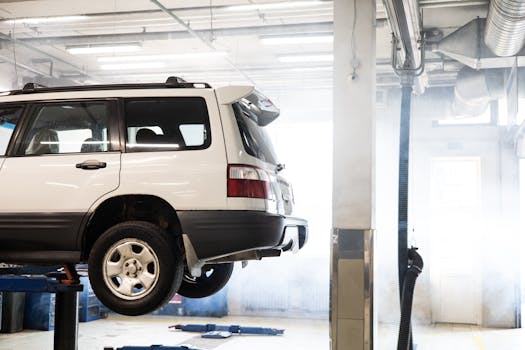
This is where the real substance lies. The engine bay and undercarriage are the heart and lungs of the vehicle. Neglecting this stage of your used car inspection checklist is akin to buying a house without inspecting the foundation.
#### The Engine Bay: A Diagnostic Frontier
Pop the hood and take a deep breath. What do you see?
Fluid Levels and Condition: Check oil (should be amber to dark brown, not black and sludgy), coolant (should be the correct color, not rusty or oily), brake fluid, and power steering fluid.
Leaks: Look for any signs of fresh or dried fluid leaks around the engine, transmission, and hoses.
Belts and Hoses: Squeeze hoses – they should be firm, not brittle or mushy. Check belts for cracks or fraying.
Battery Terminals: Corroded terminals can indicate a neglected battery.
Engine Mounts: A cracked or worn engine mount can lead to excessive vibration.
#### The Undercarriage Examination: A Vehicle’s Hidden Story
A quick glance underneath can reveal a lot.
Exhaust System: Inspect for rust, holes, or loose hangers.
Frame and Suspension: Look for any signs of damage, rust, or bent components.
Fluid Leaks (Again): Reconfirm any suspected leaks from the engine or transmission.
Interior Insights: Comfort, Functionality, and Hidden Wear
The cabin is where you’ll spend most of your time. Its condition speaks volumes about how the car has been treated.
#### Beyond the Seats: Testing Every Function
Don’t just settle for a quick look.
Upholstery and Carpeting: Check for tears, stains, and excessive wear. Lingering odors (smoke, mold, pets) can be difficult and expensive to remove.
Electronics: Test everything: power windows, locks, mirrors, infotainment system, air conditioning (blows cold?), heater (blows hot?), and all dashboard lights.
Pedals and Steering Wheel: Excessive wear on these items, disproportionate to the odometer reading, could suggest odometer tampering.
Headliner: Sagging or water stains can indicate leaks.
The Test Drive: The Ultimate Assessment
This is where all your observations come together. A test drive isn’t just about feeling the acceleration; it’s about listening, observing, and experiencing the vehicle’s behavior.
#### Listening for Trouble: The Symphony of Sounds
Starting: Does it start easily? Any strange noises?
Engine Performance: Does it accelerate smoothly? Any hesitation or sputtering?
Braking: Do the brakes feel firm and responsive? Any grinding or pulling to one side?
Steering: Is it smooth and precise? Any looseness or strange noises when turning?
Suspension: Drive over some bumps. Does the car feel stable, or are there clunks or rattles?
Transmission: Does it shift smoothly? Any hesitations or rough shifts?
One thing to keep in mind is the importance of a longer test drive, ideally on different road surfaces and at varying speeds. A quick spin around the block rarely exposes deeper issues. Furthermore, if the seller is hesitant about letting you take it for an extended drive or to a trusted mechanic, that’s a significant red flag.
The Professional’s Advantage: Leveraging Expert Eyes
While a diligent DIY inspection using a used car inspection checklist is invaluable, it’s rarely a substitute for a professional assessment. Mechanics possess specialized tools and years of experience that allow them to spot issues invisible to the untrained eye. They can diagnose potential problems before they become critical failures. Think of it as a final, crucial layer of due diligence, a small investment that can save you thousands in the long run.
Wrapping Up: Your Due Diligence is Your Shield
Purchasing a used car is a significant financial decision, and the temptation to bypass thorough inspection in the excitement of a potential bargain is strong. However, a robust used car inspection checklist, approached with an analytical and critical mindset, is your most potent tool against unforeseen expenses and buyer’s remorse. It’s about understanding the car’s story, not just its sticker price. Don’t let a dazzling exterior or a persuasive salesperson blind you to the realities beneath. By meticulously examining every facet of the vehicle, from the smallest interior detail to the most complex mechanical component, you empower yourself to make an informed choice. Ultimately, your patience and diligence in inspecting a used car are not just good practices; they are your indispensable shield against future automotive woes.