




Do you find yourself drawn to the character and charm of a vehicle that’s seen a few decades? Perhaps you’ve inherited a beloved family car or simply appreciate the craftsmanship of a bygone era. Whatever your reason, owning an older vehicle comes with its own unique set of joys and, yes, responsibilities. The question that often lingers is: how do we ensure these seasoned machines continue to grace our roads without breaking the bank or our spirits? This isn’t about just fixing problems; it’s about preventing them and truly understanding the heart of your classic.
Navigating car maintenance for older vehicles can seem daunting, especially with modern cars packed with complex electronics. However, with a proactive approach and a little know-how, you can keep your vintage ride reliable, safe, and a source of immense pride. Let’s dive into the essential strategies that will help you preserve your automotive treasure.
Understanding the Unique Needs of a Mature Machine
Older cars, by their very nature, have different requirements than their contemporary counterparts. Their systems are simpler, yes, but materials degrade over time, and technology that was cutting-edge decades ago might now be considered quaint or even fragile. This is where a deeper understanding comes into play.
Material Science Evolution: Rubber hoses, seals, and belts become brittle with age and exposure to heat and chemicals. Metal parts can rust or develop fatigue cracks. Understanding these material limitations is key to preventative care.
Simpler, Yet Sensitive Systems: While lacking complex ECUs, older fuel systems, carburetors, and ignition points require meticulous attention. A worn distributor cap or a clogged fuel filter can be just as disruptive as a faulty sensor in a modern car.
The Importance of History: Knowing your car’s service history, if available, is invaluable. It provides clues about potential past issues and maintenance intervals that might have been followed.
Proactive Patrol: Essential Checks for Longevity
The cornerstone of successful car maintenance for older vehicles is a commitment to regular, thorough checks. It’s far more economical and less stressful to catch a minor issue before it cascades into a major, expensive repair. Think of it as a regular health check-up for your car.
#### Fluids: The Lifeblood of Your Classic
Fluids are critical for lubrication, cooling, and hydraulic functions. Over time, they degrade, lose their effectiveness, or can leak.
Engine Oil: This is non-negotiable. Regular oil changes with the correct viscosity for your engine are paramount. Older engines might tolerate conventional oil better than synthetics, depending on their design.
Coolant: Antifreeze prevents overheating and freezing. Check the level and condition regularly. If it looks rusty or sludgy, a flush and refill is in order.
Brake Fluid: This absorbs moisture over time, reducing its boiling point and potentially causing corrosion in the brake system. It should be changed every 2-3 years.
Transmission Fluid: Essential for smooth gear changes. Check the level and condition. Dark or burnt-smelling fluid is a warning sign.
Power Steering Fluid: For cars so equipped, this ensures easy steering. Low levels or leaks should be addressed promptly.
#### Beyond the Engine Bay: Crucial Components
Don’t neglect other vital systems. These are often overlooked, but their failure can render your car undrivable.
Tires: Beyond tread depth, check for cracks in the sidewalls, proper inflation, and uneven wear patterns which can indicate alignment issues.
Brakes: Regularly inspect brake pads, rotors, and lines. Listen for any unusual noises (grinding, squealing) and feel for any sponginess in the pedal.
Belts and Hoses: These are the silent killers. A cracked or frayed belt can lead to overheating or loss of power steering. A bulging or leaking hose can result in a catastrophic coolant loss.
Battery: Even older cars need a healthy battery. Clean the terminals and check for corrosion. If your car sits for extended periods, a battery tender can be a worthwhile investment.
Addressing the Elephant in the Room: Rust and Corrosion
Rust is arguably the arch-nemesis of older vehicles, especially those in humid or coastal climates. Early detection and treatment are vital.
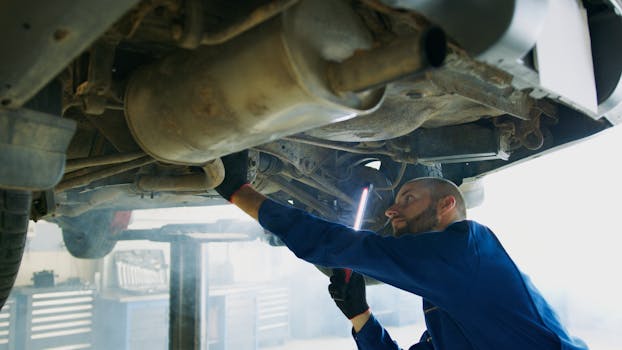
Visual Inspection: Regularly crawl under your car, inspect wheel wells, door bottoms, and the trunk for any signs of rust bubbles or flaking paint.
Undercoating and Rust Proofing: Consider professional undercoating or rust-proofing treatments, especially if you live in a harsh environment. These create a barrier against moisture.
Prompt Repair: Small rust spots are easier and cheaper to fix than large, structural damage. Don’t let them fester.
Finding Your Trusted Mechanic: A Partnership for Preservation
When it comes to car maintenance for older vehicles, finding a mechanic who understands classics is half the battle. Not all modern shops have the experience or patience for older, carbureted, or less-computerized systems.
Seek Specialists: Look for shops that advertise expertise in classic cars or specific makes/models from your car’s era.
Ask for Recommendations: Fellow classic car owners are often the best source for finding reliable mechanics. Attend local car shows or join owner forums.
Build a Relationship: A good mechanic will be transparent, explain issues clearly, and prioritize work based on necessity and safety. They become an invaluable partner in keeping your car on the road.
DIY When Possible: For those inclined, learning basic maintenance tasks can save money and give you a deeper connection to your car. Simple things like checking fluid levels, changing air filters, or even spark plugs can be satisfying and beneficial.
Staying Ahead of the Curve: Modern Solutions for Timeless Cars
While we celebrate the simplicity of older cars, that doesn’t mean we can’t leverage modern advancements to enhance their reliability and longevity.
Electronic Ignition: Converting from points and condenser to an electronic ignition system can significantly improve starting, running, and reduce maintenance frequency.
Fuel Injection Conversions: For some carbureted engines, a modern aftermarket fuel injection system can offer better fuel economy, smoother running, and easier cold starts.
Modern Oil Additives: Certain additives can help protect older engines from wear and improve sealing, but always research their suitability for your specific vehicle.
Conclusion: The Rewarding Journey of Classic Care
Owning and maintaining an older vehicle is more than just transportation; it’s a connection to history and a testament to enduring design. The commitment to proactive car maintenance for older vehicles isn’t a chore, but an investment in preserving a piece of automotive art and enjoying its unique driving experience for years to come. By understanding its specific needs, performing regular checks, addressing potential issues like rust early, and partnering with the right experts, you can ensure your classic continues to turn heads and offer countless miles of enjoyment.
So, are you ready to embrace the rewarding challenge of keeping your cherished older vehicle not just running, but truly thriving?